SSOID One Login Solution to Access All Rajasthan Government Services
What is SSO ID?
SSOID (Single Sign-On Identification) is a modern authentication method that allows users to sign in only once and then access multiple platforms, websites, or applications without entering their login details again and again.
You can think of it like a universal key — once you unlock the main door, you can easily enter all connected services without carrying separate keys for each one.
The main goal of an SSO ID system is to make login processes faster and more convenient for users while also improving security for organizations by reducing common password problems such as weak passwords, forgotten logins, and phishing threats.
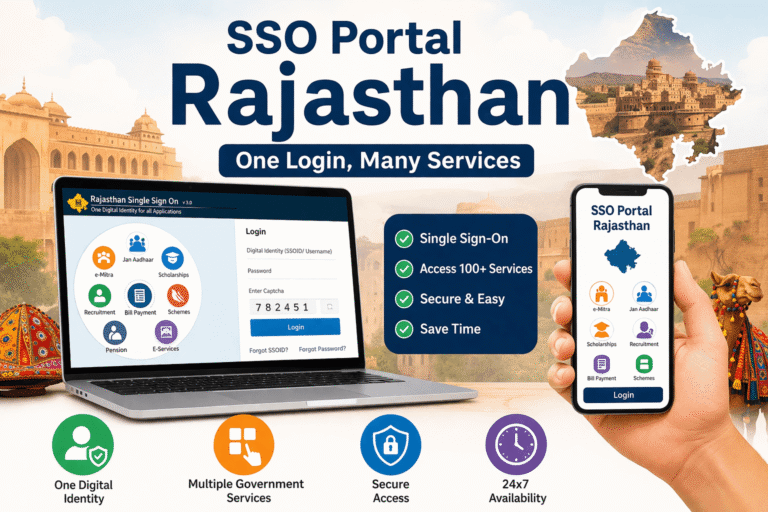
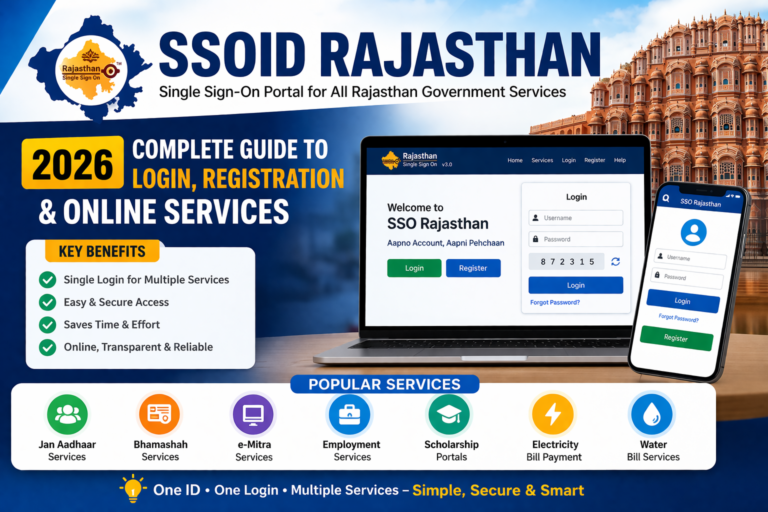
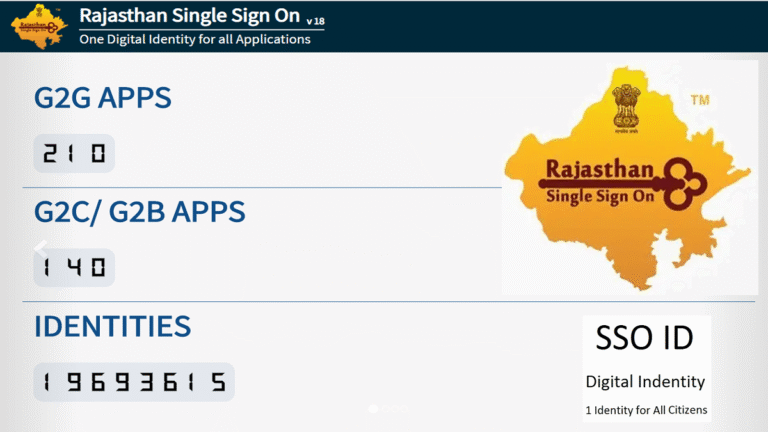
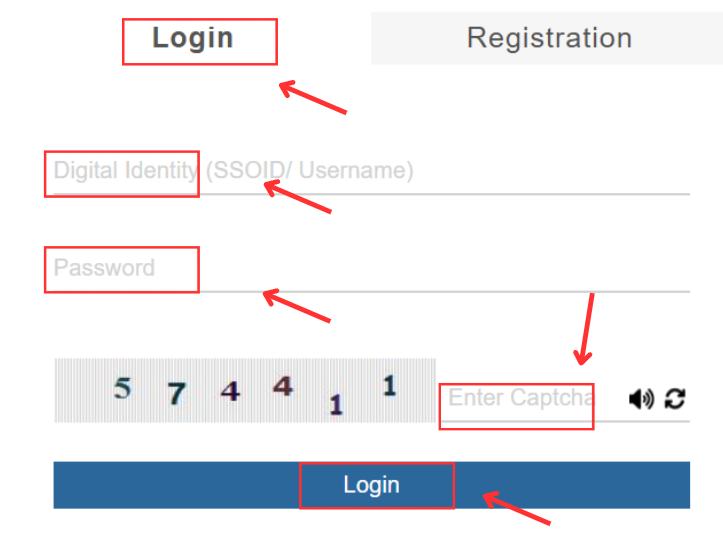
To access all services, visit the official SSO Rajasthan portal and log in using your SSOID.
How Does SSOID Work?
When a user logs in through an SSO system, their credentials are validated through a trusted service known as an Identity Provider (IdP). After successful verification, the IdP generates a secure token that confirms the user’s identity.
This token is then used to provide access to multiple connected services without requiring additional logins.
Simple SSOID Workflow
- Login Attempt: The user enters their username and password only once on the SSOID portal.
- Identity Check: The system verifies the login details through the identity provider.
- Token Issued: After verification, a secure authentication token is generated.
- Access Approved: The token allows the user to enter various services without logging in again.
Benefits of Using SSOID
1. Faster and More Convenient Access
The biggest advantage of SSO is simplicity. Instead of remembering several usernames and passwords, users only need one login. This saves time and makes the overall experience smoother.
2. Improved Security Protection
Although it may seem risky to use one login for multiple services, SSO systems often provide strong security features such as Multi-Factor Authentication (MFA), encrypted login sessions, and automatic logout timeouts. Since users don’t need to create many passwords, they are less likely to reuse weak or repeated passwords.
3. Less Burden on IT Support Teams
For organizations, SSO significantly reduces the number of password reset requests. This helps IT teams save time and focus on more important tasks, improving productivity.
4. Better Access Control and Tracking
SSOID provides centralized control over user permissions. It becomes easier for organizations to monitor login activities, track access history, and ensure compliance with internal security rules and data protection laws.
5. Cost Efficiency for Businesses
By reducing login issues and preventing security incidents, SSO helps businesses lower operational costs. It minimizes helpdesk workload and decreases the risk of expensive data breaches.
Real-World Applications of SSOID
SSO technology is widely used across many industries to improve efficiency and strengthen security. Common examples include:
- Enterprise Workplaces: Employees can use one login to access email, HR systems, dashboards, and project tools.
- Educational Institutions: Students and teachers can access learning portals, digital libraries, and school accounts through one login.
- Healthcare Organizations: Doctors and staff can securely access medical records, appointment systems, and internal communication tools.
- Government Services: Citizens can use SSO IDs to log in to multiple government portals, making services easier and faster to access.
Challenges and Considerations
Despite its many advantages, SSO comes with a few concerns. The biggest risk is the “single point of failure.” If someone gains access to your SSO login credentials, they may be able to access several connected services.
To reduce this risk, organizations should implement strong security measures such as MFA, strong password policies, and regular activity monitoring.
Another challenge is integration. Connecting SSO with older systems or third-party software may require additional planning and technical work. That’s why compatibility and scalability should be checked before implementation.
How to Get Started with SSOID
If you want to adopt an SSO system to simplify digital access, follow these basic steps:
- Define Your Requirements: Decide which applications and services you want to connect using SSO.
- Select an Identity Provider (IdP): Common choices include Microsoft Azure AD, Okta, Google Identity, and similar platforms.
- Set Up Security Features: Enable MFA and apply strong password policies.
- Test Before Launch: Always test the system to ensure smooth login functionality across all applications.
- Train Users: Educate users about SSO benefits and safe login practices.
Wrapping Up
As online services continue to grow, managing multiple usernames and passwords has become frustrating and inefficient. SSO ID provides a smart and secure solution by allowing users to access many services with a single login. It improves convenience, strengthens security, and helps organizations reduce operational workload and costs.